

Emergency Backup Systems
The Challenge
Critical devices, systems, and infrastructure often employ emergency backup systems to ensure continued operation when primary systems fail. These backups typically use pressurized tanks (accumulators), gravity-fed reservoirs, or redundant pumps.
Each of these backups have their own technical and operational risks:
Pressure tanks store energy using a compressed gas (usually nitrogen) to maintain fluid pressure.
- Gas Permeation and Leakage: Over time, the pressurized gas can permeate through seals or the bladder, leading to a loss of “pre-charge.” If the pressure drop is unnoticed, the system won’t have enough energy to actuate when needed.
- Thermal Sensitivity: According to the Ideal Gas Law, the pressure inside the tank is highly dependent on temperature. Extreme cold can reduce available pressure, while extreme heat can over-pressurize the vessel.
- Maintenance Intensity: These are pressure vessels that require periodic certification, ultrasonic testing, and specialized handling to prevent explosive failure.
These systems rely on the potential energy of height. While simple, they have significant physical limitations.
- Low Energy Density: To provide significant pressure, a reservoir must be extremely high. For example, to achieve even a modest pressure of 50 psi, a water tank must be roughly 115 feet (35 meters) in the air.
- Structural Vulnerability: High-elevation tanks are massive and heavy, making them vulnerable to seismic activity (earthquakes) or high winds. If the support structure fails, the backup system becomes a hazard itself.
- Contamination and Stagnation: Because these fluids often sit idle for long periods, they are prone to sediment buildup, bacterial growth (like Legionella in water towers), or freezing in cold climates.
Redundancy is a standard strategy, but it introduces the “Common Mode Failure” trap.
- Common Mode Failure: If both pumps rely on the same power source, the same software controller, or the same cooling line, a single fault can take out both.
- “Deadheading” and Seizure: If a backup pump isn’t cycled (turned on) regularly, the seals can dry out or the shaft can seize due to corrosion. This is known as dormancy failure—the pump looks fine on the shelf but fails the moment it’s energized.
- Switchover Latency: There is always a “gap” between the primary system failing and the backup reaching full speed. In high-speed industrial processes, even a 2-second delay can lead to a catastrophic surge or system trip.
Our solution: The EmergencyPOD (EPOD)
Protect critical devices, systems, and infrastructure with the EmergencyPOD, or EPOD. The EPOD is a fully self-contained, decentralized unit, designed to be strategically placed in and around critical mechanical systems.
The EPOD will sense when a failure event has occurred and trigger; providing an emergency burst of fluid to critical hardware, allowing extended operation.

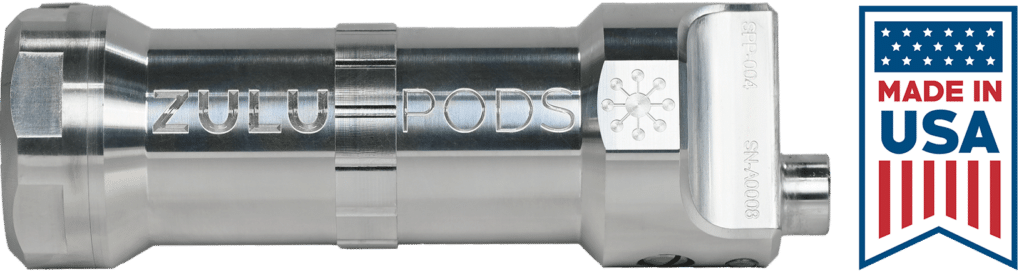
The EPOD is form factor and fluid agnostic. It can be filled with oil, fuel, hydraulic fluid, coolant, or any other liquid used by critical aerospace, ground, maritime, and infrastructure equipment. EPODs are available in any size to support the platform they are installed on. Fluid delivery rates are customizable for any application.
EPODs can be retrofitted into existing systems, adding emergency capability. EPODs can also fill the gap between the initial system failure and the time it takes for a secondary, backup system to kick in.
MECHANICAL SYSTEMS
Engines
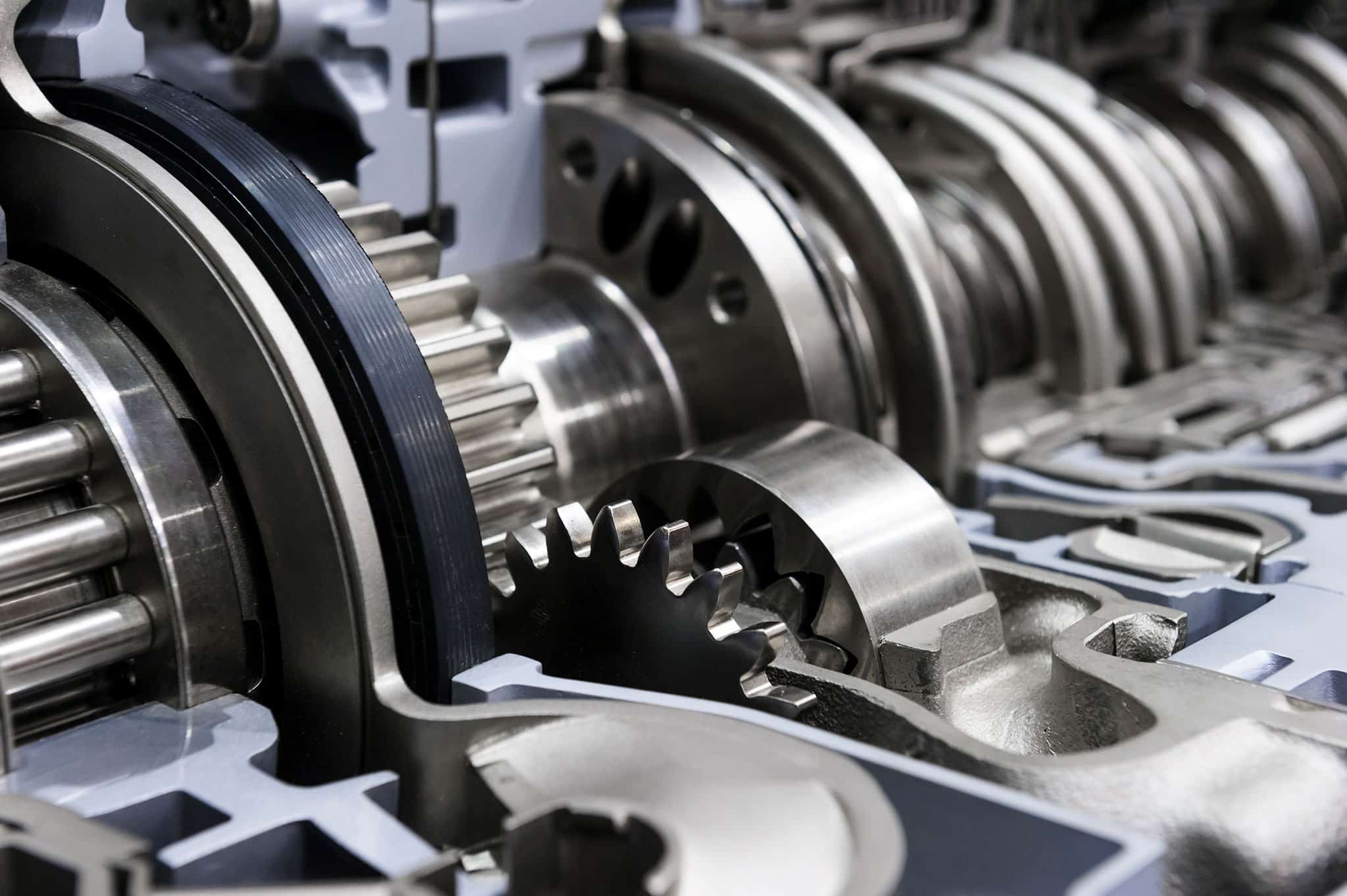
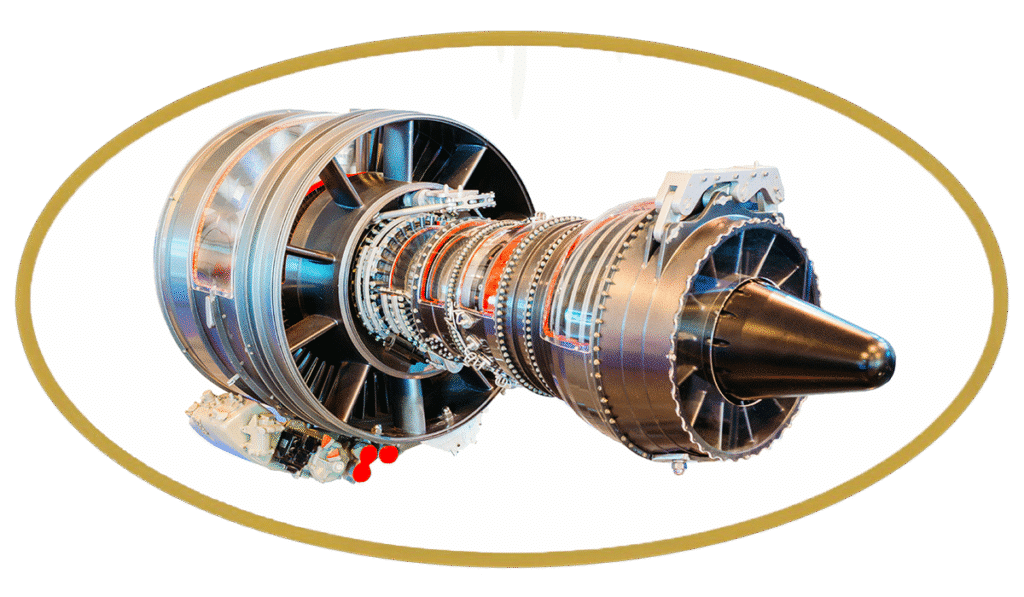
Engines act as the primary power source for many mechanical systems. In the absence of a lubricant film, escalating boundary friction induces rapid thermal expansion and microscopic welding between high-tolerance surfaces, resulting in catastrophic seizures and total mechanical failures. EPODs would detect degradation and supply an emergency reservoir of oil preventing total equipment loss.
Gearboxes
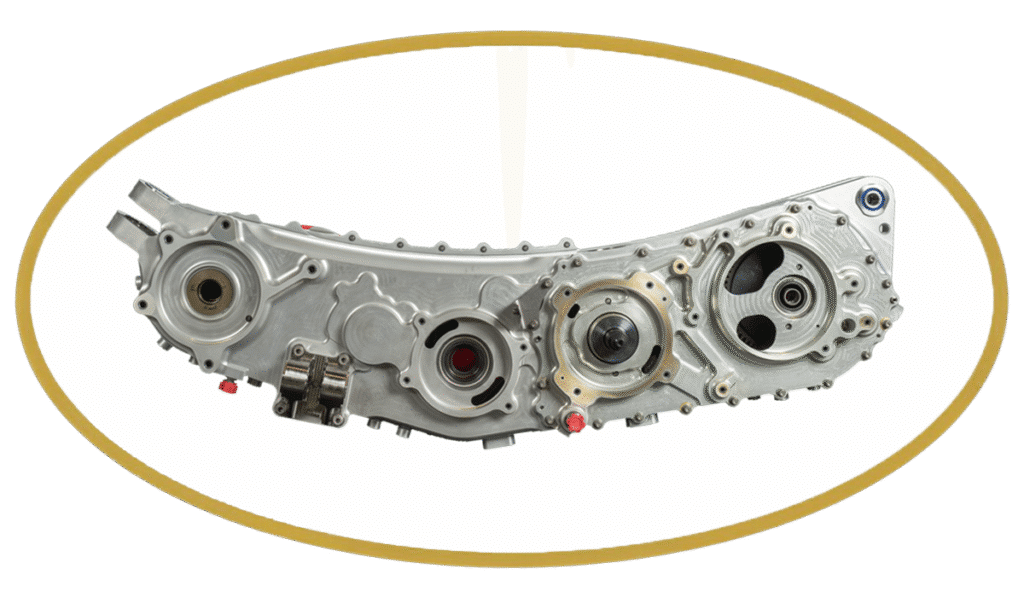
Mechanical systems rely on gearboxes to transform high-speed motor rotation into controlled torque and speeds, providing the mechanical advantage necessary to drive heavy loads with precision. When a gearbox loses lubrication, the protective oil film between moving parts vanishes, leading to immediate metal-to-metal contact and a rapid spike in internal friction. This friction generates intense heat that can warp components, cause gear teeth to “weld” together or chip, and ultimately result in a catastrophic mechanical seizure.
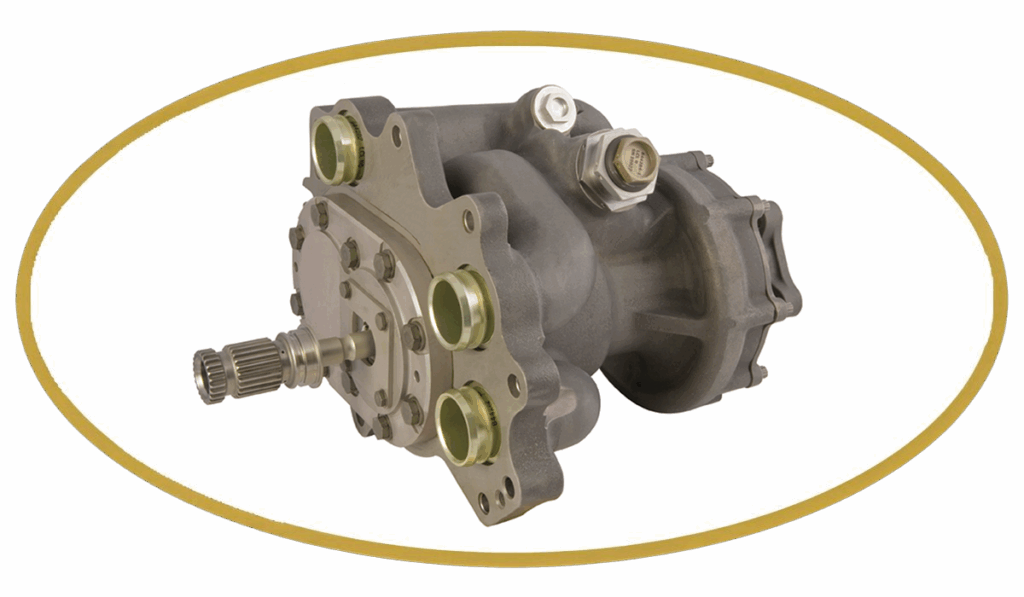
Fuel Pumps
Fuel pumps are critical to the operation of a variety of mechanical systems. These devices create a pressure difference to move fuel from a storage tank into the combustion system. Failure modes vary, but a loss has wider system impacts. EPODs can be strategically implemented and deploy critical fluid to keep systems running.